

From the depth of the jungles where it got me to know more of this republic. Got to know the villages, the children, and the oceans of Indonesia. Oh, those pulchritude destinations of Raja Ampat and Gili Trawangan. The forest provides a source of alacrity to millions of Indonesians. It also got me to know Indonesia’s dying forests which were now at stake and waiting to be resuscitate.
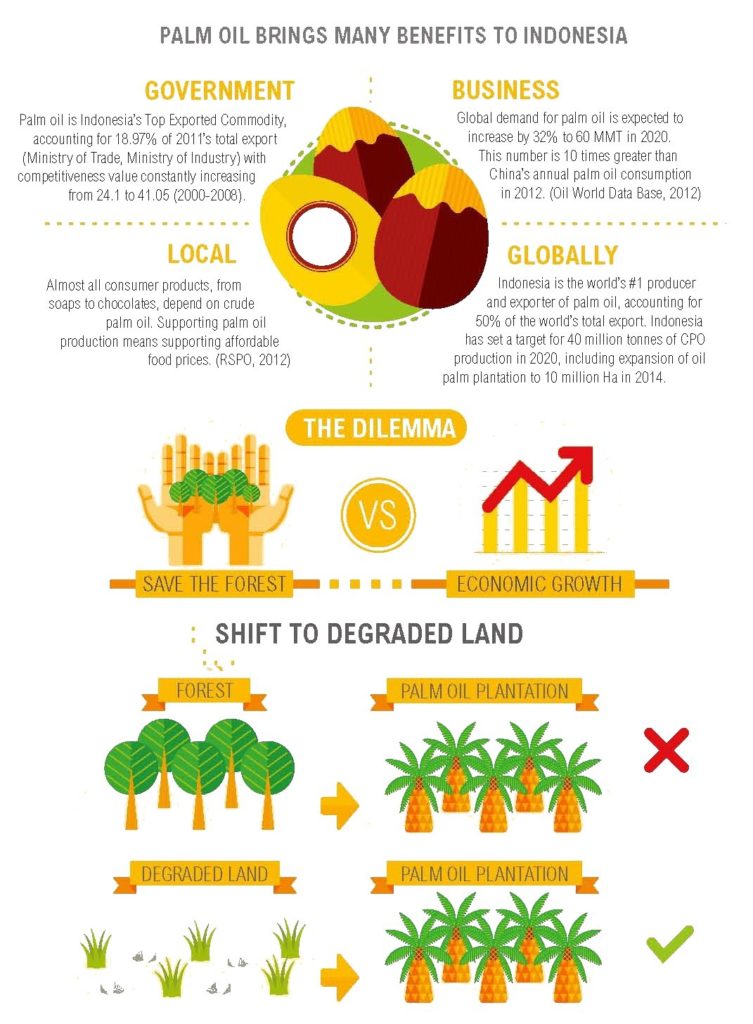
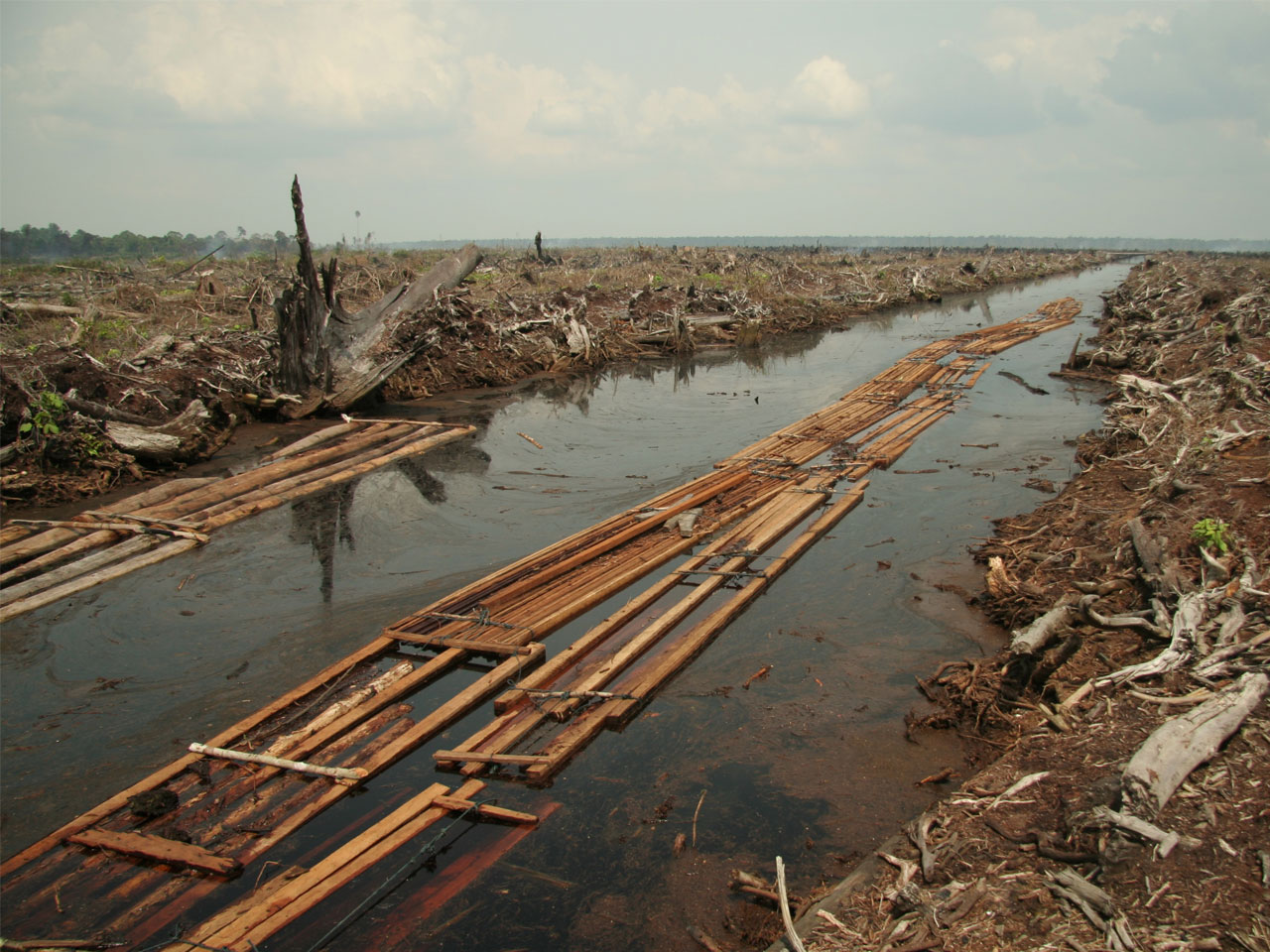
Although in some places our forests are looks perfectly fine, but I’m here to tell you that our forest is starting to be annihilated, our logs been stolen and taken out of this country. In another place, it’s opened for palm plantations for bio fuel and others. Since the 1970s, a storm of deforestation has swept through the country. Huge amount of forest land are crushed down to make space for palm oil plantations.
Social Investment
A wise man once said that one honest voice could be louder than a crowd. This statement seems intelligible at first until it is not. When it comes to contribution, it is not about what we have, it is about what we give. But sadly, most of us are not big on relinquishing. Therefore, people invented crowdsourcing.
At present, crowdsourcing is firmly ingrained in both our societies and our economies. It is the epitome of contribution. Early digital platform that essentially a user based encyclopedia like Wikipedia that crowdsources facts, or Quora and Waze that crowdsources answers and navigation respectively, proved that the community-driven model was given credence to the idea that crowds are more tangible than individuals are. This makes me wonder, why can’t we do the same for our forest? Why don’t we start a “Community Logging” where we could all take part in preventing our ecosystem from extinction? In the face of our current forest land adversity, it’s easy to give up hope. But I am just curious: What if?
What If?
The way I envisioned this “Community Logging” is simply as a social investment for empowering the indigenous and local community such as ex-illegal loggers.
Although it might looks suspicious for them at first, what if we can infiltrate their hearts and minds. What if we can make them laughing with us and hopefully they join us. People said that the early adopters are usually the old ones; they could’ve decided to join because they getting older and can no longer carry stolen logs or simply because they want to. Either way that’s fine! Let’s start with this old fellow. What if we can change this old fellow’s life and soon begin to expand with a few interested families and encourage them to working together for a more sustainable reforestation?
The important thing is profess. Our aim is to reforest this land. But of course, we need to figure out a way to do this. So what if we can follow these simple steps:
Firstly, we inventoried all of their forests. This includes collecting data on how big is the diameter, how tall they are. We must turns everything into data such that every log has a number.
Secondly, we signifies forest ownership to shows which person owns which log, where did they lives, they cooperative id number and so on. That way we can track back every single wood there through our database.
Lastly, unlike the old “cut 10 trees down then plan 1 tree”, the idea is to reverse it into: after we cut 1 tree down, we will plant 10 trees immediately to guarantee the viability of the forest ecosystem.
I believe that this will work because of the experience of Sweden. A community logging started in 1939 called The SODRA of Sweden, owned by 50,000 farmers. They work through a cooperative. Now it has grown amazingly. SODRA has plenty of members and its net-sales is around US$ 2.5 Billion. And, same as ours, SODRA is one of the largest producers of pulp in the world. But unlike ours, there’s zero of protests against their activities, because its 100% sustainable. It also produces bio fuel that generates several terra watts worth of electricity per year only with wooden logs. Which bring us to another ‘what if’ in this article: What if we can replicate their success?
Moreover, the replication of this social investment will scale with the help of technology such as mobile app. Imagine if we can democratize trees plantation, how monumental would that be?
Other than that, we can be the pioneers of Zero Carbon Footprint Communities. According to research, the average carbon footprint per person in Indonesia is 1.8 tons per year. While the carbon absorption rate is 200 Kg per tree per year. This means, we can absorb our own carbons. If you plant 9 trees, you can say, “Hi everybody, I have a zero carbon footprint! Because all the carbons I’ve emitted have been absorbed by the 9 trees I’ve planted in this village”.
In the future and when it can scale as expected, there will be a profit sharing scheme and everybody will benefit from that.
Picture this when you’re waiting in line for an Avengers movie ticket and goes, “How boring, let me just plant a tree real quick”. Two seconds later, an email come to you and says that your tree has been planted by this family, here are their contacts person and the coordinates. It’s Saturday night, and your partner is taking a long time to get ready, “hmmm, I feel like planting another tree!” It’s Monday morning, and you’re stuck in traffic, “I think I’ll plant some more trees!”.
What if, just what if we can plant trees with that kind of technology? Imagine how rapid the reforestation progress in Indonesia. So I think friends, let’s reforest Indonesia with our own strength and let’s make Indonesia green again!
AL
This article is previously published at https://stories.ehf.org/lets-make-indonesia-green-again-a-community-logging-for-indonesia-s-palm-oil-plantation-b7e7d47be66c